About Rachel Bernier-Green
The Impact CFO | Founder @ EJ Consortium | Former KPMG & PwC | Speaker | Host of The Purpose Profit Shift | Social Impact Strategist Helping Enterprises Become Permanently Profitable and Impactful
Rachel partners with mission-driven leaders to build scalable enterprises that generate both profit and systemic change. With over 20 years of experience including at firms such as KPMG, PwC, and State Farm—and as a recognized founder—she brings financial clarity to social entrepreneurs around the world.
From Financial Strategy to Social Impact
Rachel Bernier-Green turns complex operations into engines for social change. Her deep-rooted knowledge in finance, gained from roles at global firms and as a social entrepreneur, equips her to guide purpose-driven companies toward sustainable profitability. She helps organizations not only survive—but scale, thrive, and transform communities.
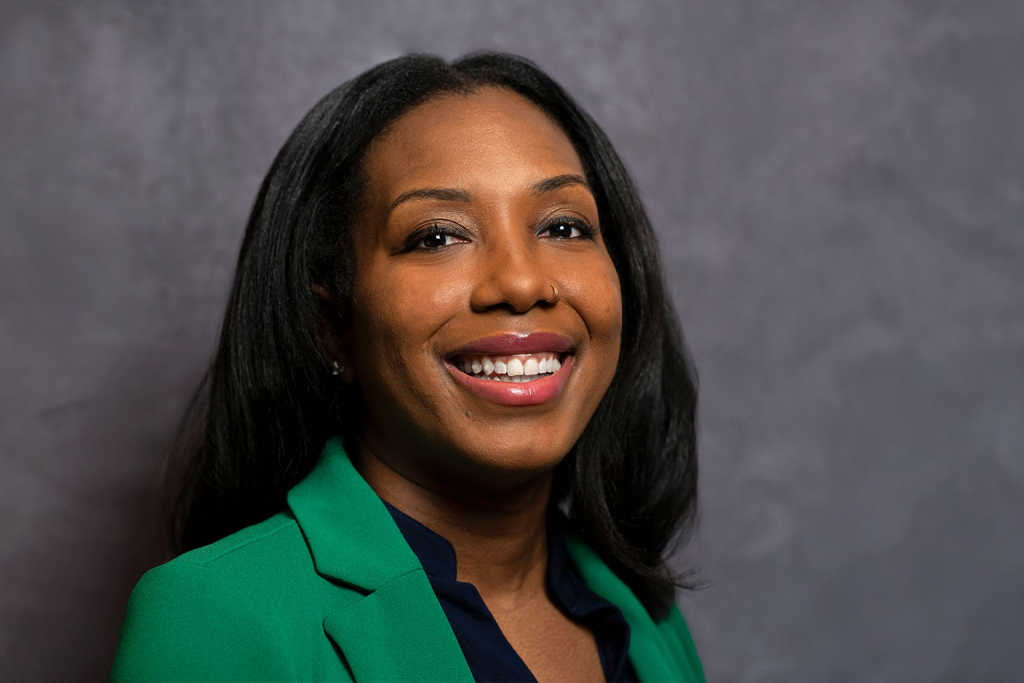
Rachel Bernier-Green’s Journey
Rachel’s mission for justice began in corporate boardrooms and blossomed through founding enterprises that addressed community needs—such as reducing recidivism and improving food access. Her lived experience of entrepreneurship fuels her passion to guide others through the same journey with less friction and more purpose.

Empowering Justice-Driven Entrepreneurs
Rachel advocates for business owners through IL Small Business Equity Council. She works to help promote policies that help the local business community.
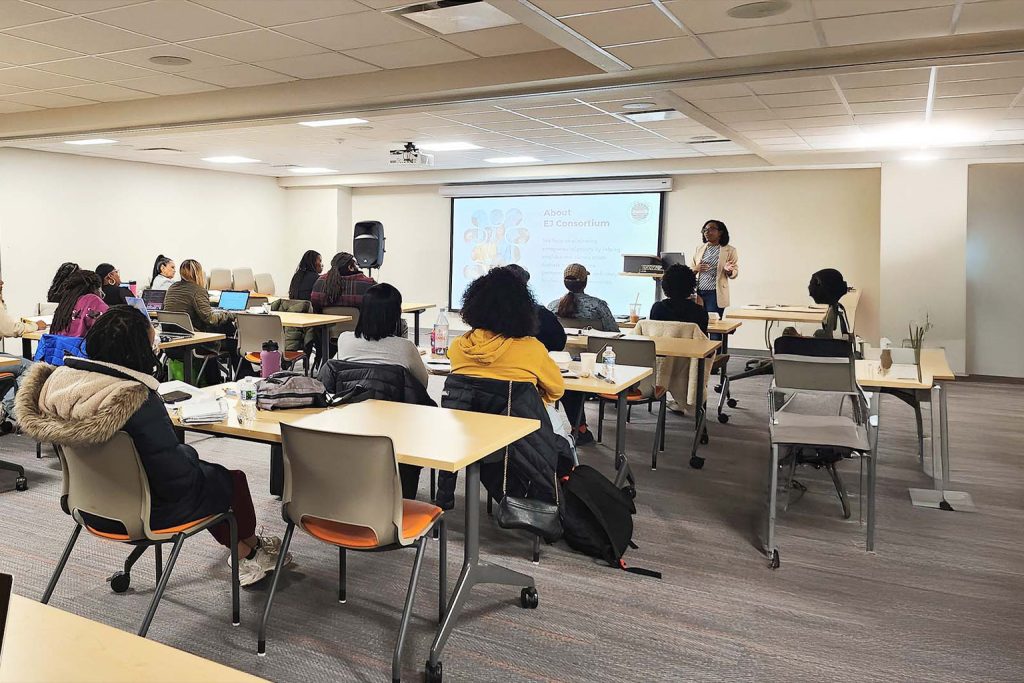
My Founder Story
Finding Purpose in Numbers: The Birth of Economic Justice Consortium
Every great venture begins with a journey. Mine started at the intersection of rigorous corporate
finance and a brownie recipe.
Foundations in Finance and Problem-Solving
I was fortunate to receive a world-class education in accounting and finance at the University of Illinois, complemented by a unique minor in a cross-functional engineering program. This educational foundation opened doors to opportunities at prestigious firms like KPMG and PricewaterhouseCoopers. I also had the opportunity to travel globally, absorbing the operational frameworks that power the world’s most successful companies.
On paper, I had “made it” – the prestigious credentials, the high-rise office views, and the corporate ladder clearly defined before me, which in many ways also defined my self-image. But something was missing. The spreadsheets and financial models felt disconnected from real impact.
This disconnect wasn’t entirely surprising. My approach to learning and problem-solving had been shaped long before my corporate career began – at my family’s kitchen table
Learning Through Brownies and Business
Being homeschooled fundamentally shaped how I view education and problem-solving. I distinctly remember struggling with fractions until my mother taught me through baking brownies. Suddenly, the abstract concept became tangible and meaningful – I wasn’t just learning math, I was creating something delicious that brought joy to others.
As the oldest of six children (without an allowance), I quickly applied this practical learning to solve my own problems. If I wanted spending money, I needed to create value. So I followed in the footsteps of my childhood superhero, Madame CJ Walker, and began baking and selling my creations, turning ingredients into income, and mathematical concepts into real-world skills.
This experience instilled a core belief that remains central to EJC today: meaningful learning happens when we understand the “why” behind concepts and find practical applications that connect to our values and needs.
From Brownies to a Bakery: The 'Laine's Bake Shop Era
After years in public accounting, I felt called to apply my financial expertise to something more aligned with my values. This led to founding ‘Laine’s Bake Shop – not just a business, but a vehicle for community revitalization in Chicago’s South Side.
We began with humble pop-ups in vacant storefronts, bringing life back to underutilized spaces. As we grew, our mission evolved into something more profound: a social enterprise focused on creating quality employment for returning citizens – people who had been previously incarcerated and faced systemic barriers to economic opportunity.
‘Laine’s wasn’t just about selling baked goods; it was about creating a new model of business that prioritized both profit and purpose. We sourced ingredients from regenerative farmers, creating a supply chain that supported environmental sustainability. We developed a business model aimed at employee ownership, believing that true economic justice meant sharing wealth with those who helped create it.
Over eight years, we scaled nationally, shipping our products worldwide and building a respected brand. But the journey wasn’t without sacrifices. I often chose not to pay myself so my team could receive their wages – a decision that, while well-intentioned, created financial instability that would later prove unsustainable.
The Turning Point
January 2020 brought our first major setback when our production facility’s ceiling collapsed, forcing an emergency relocation. Just as we settled into our new space, COVID-19 swept across the globe, bringing unprecedented challenges that ultimately led to the closure of ‘Laine’s Bake Shop.
The consequences extended beyond business loss. Some team members who had previously been incarcerated, now without steady employment, returned to prison. This devastating outcome forced me to confront a hard truth: good intentions aren’t enough. A business must be financially sustainable to create a lasting positive impact.
The Birth of Economic Justice Consortium
In the aftermath, I reflected deeply on the lessons learned. I recognized that my unique combination of corporate financial expertise and hands-on entrepreneurial experience provided a perspective few others possessed. I’d worked with the world’s best companies and built a purpose-driven enterprise from scratch – experiencing both the triumphs and pitfalls.
I also observed a critical gap in the entrepreneurial ecosystem. Purpose-driven businesses, particularly those led by historically marginalized founders, lacked access to sophisticated financial and operational expertise that honored their values while building profitable enterprises. The available resources often presented a false choice: pursue your mission OR build a sustainable business.
My extensive reading on labor movements and civil rights history further convinced me that economic justice requires new business models – enterprises that generate profit while creating equitable opportunities and addressing systemic barriers.
Economic Justice Consortium was born from this realization. We don’t just provide financial services; we partner with purpose-driven entrepreneurs to build operational infrastructure that enables both profit and impact. We combine world-class financial expertise with a deep understanding of the unique challenges faced by mission-focused businesses.
At EJC, we believe the numbers should serve the mission, not the other way around. We’re building a world where entrepreneurs don’t have to choose between their values and their financial success – where purpose and profit work in harmony to create lasting change.
This is more than a business; it’s a movement to transform how we think about finance, operations, and economic justice. And it all started with learning fractions through brownies, understanding that the most powerful solutions connect technical expertise with human values and real-world impact.